Bicycling has become one of the most common ways to commute, exercise, and travel in urban and suburban areas. Yet despite its benefits, it also exposes riders to risks that cyclists cannot fully control: distracted drivers, unsafe road conditions, faulty equipment, or even the unpredictable behavior of other cyclists or pedestrians.
When a collision occurs, the aftermath can feel overwhelming. Injuries are often serious, medical bills begin to accumulate, insurance companies may try to minimize or deny claims, and many riders are left wondering what their legal rights truly are.
If you’re asking, “Can I claim compensation for a bicycle accident?” the answer is almost always yes, provided someone else’s negligence contributed to your injuries. But what compensation looks like, whether you qualify, and how to get it depends on several factors, including the cause of the accident, the responsible party, the extent of your damages, and the legal framework in your state.
This guide explores everything riders need to know, from the underlying legal principles to the steps involved in bringing a claim, common challenges, how a bicycle attorney can strengthen your claim, and what compensation may cover.
Takeaways from Claiming Compensation for a Bicycle Accident
- Bicycle accident compensation is often available when someone else’s negligence, such as a careless driver, unsafe road conditions, or defective equipment, contributes to the crash. Understanding the cause is the first step in determining liability.
- Establishing a successful claim requires strong evidence, including medical records, police reports, photos, and witness statements. Quick action protects your health and preserves critical proof.
- Multiple insurance policies may apply, from the driver’s auto insurance to your own UM/UIM or MedPay coverage. Identifying every possible source of compensation can significantly increase your recovery.
- Injured cyclists may recover both economic and non-economic damages, including medical expenses, lost income, pain and suffering, and long-term rehabilitation needs. Severe injuries often increase case value.
- Working with experienced bicycle accident lawyers helps ensure fair treatment from insurers, proper valuation of your damages, and compliance with deadlines, strengthening your path to full financial recovery. Contact a bike accident attorney today.
Understanding Liability in Bicycle Accident Claims
To determine whether you can claim compensation, the law looks at liability, or who is legally responsible for causing the accident. Most bicycle injury claims fall under negligence, meaning that a person or entity failed to exercise reasonable care, and that failure resulted in injury to someone.
Common forms of negligence include:
- A driver failing to yield, running a red light, or drifting into a bike lane
- A property owner leaving a dangerous condition unaddressed (such as cracked pavement, debris, or poor lighting)
- A manufacturer designing or selling defective bicycle components
- A city or municipality failing to maintain safe roads or signage
Establishing negligence requires showing four elements:
- The other party owed you a duty of care.
- They breached that duty.
- The breach caused your accident.
- You suffered damages as a result.
If these elements are met, even partially, you may be entitled to compensation.
Common Causes of Bicycle Accidents and How They Affect Claims
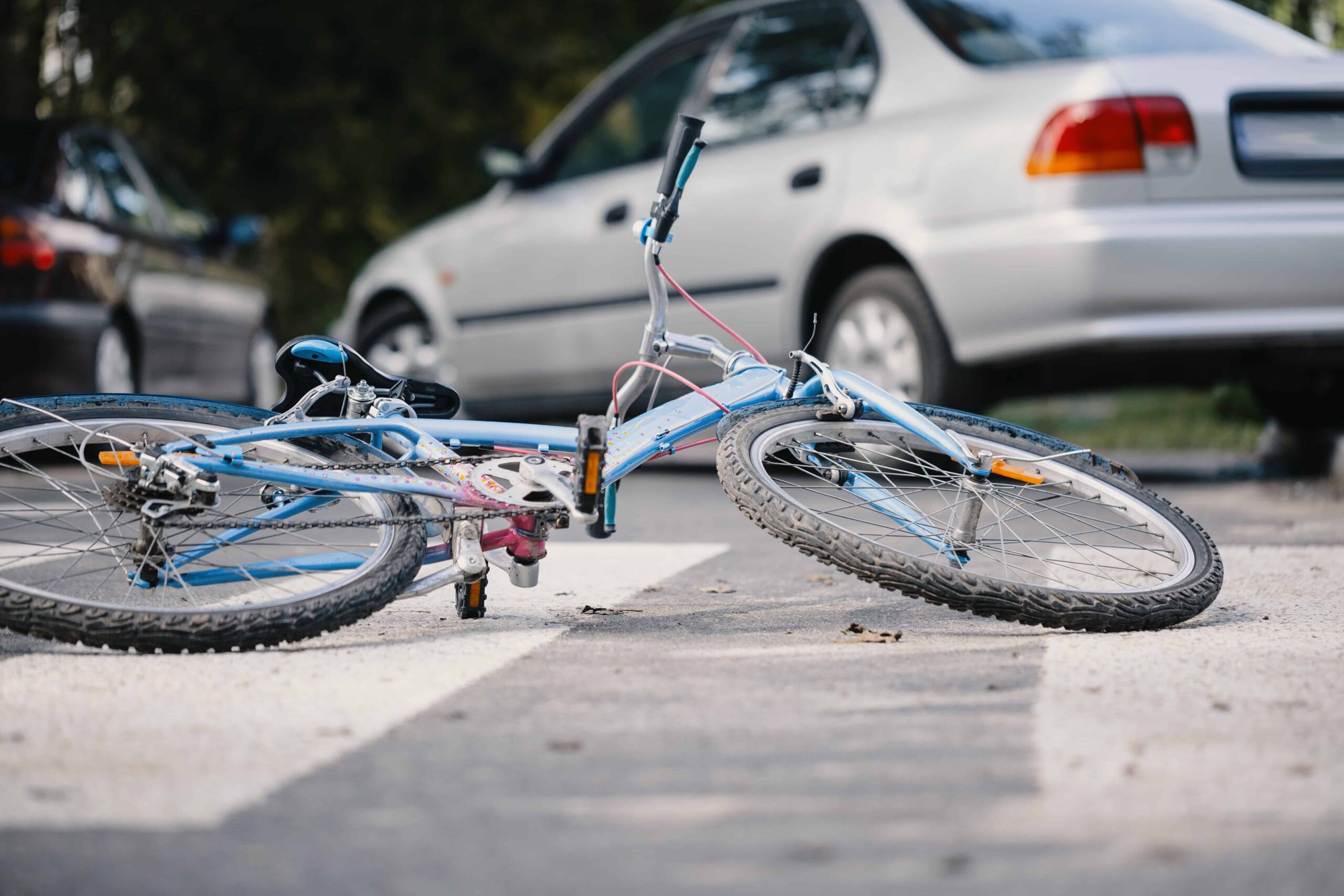
Bicycle accidents occur for various reasons, and determining the cause is crucial because it helps identify the responsible party. Some of the most frequent causes include:
Driver Error
Motor vehicle drivers are responsible for many severe bicycle crashes. Because bicycles offer little physical protection, collisions with cars can result in catastrophic injuries. Drivers may cause accidents by speeding, failing to check blind spots, opening a car door into traffic (“dooring”), or driving distracted or impaired.
Poor Road Conditions
Potholes, uneven pavement, faded bike lane markings, broken storm drains, or inadequate lighting can all contribute to accidents. If public property is involved, you may need to file claims against a government agency, and these claims often come with shorter deadlines and special filing procedures.
Distracted or Aggressive Riding
In some cases, another cyclist or pedestrian may be partially or fully responsible, such as when a pedestrian steps unexpectedly into a bike lane. While less common, these claims still rely on showing negligence.
Mechanical Failure
A bicycle itself may fail due to faulty brakes, defective tires, or poorly assembled components. If the issue stems from manufacturing or design defects, a product liability claim may apply.
Hit-and-Run Situations
Even if you cannot identify the driver, you may still pursue compensation through your own uninsured motorist (UM) coverage, which often applies to cyclists even though they weren’t driving a vehicle.
Understanding the cause strengthens your ability to secure financial recovery.
What to Do After a Bicycle Accident
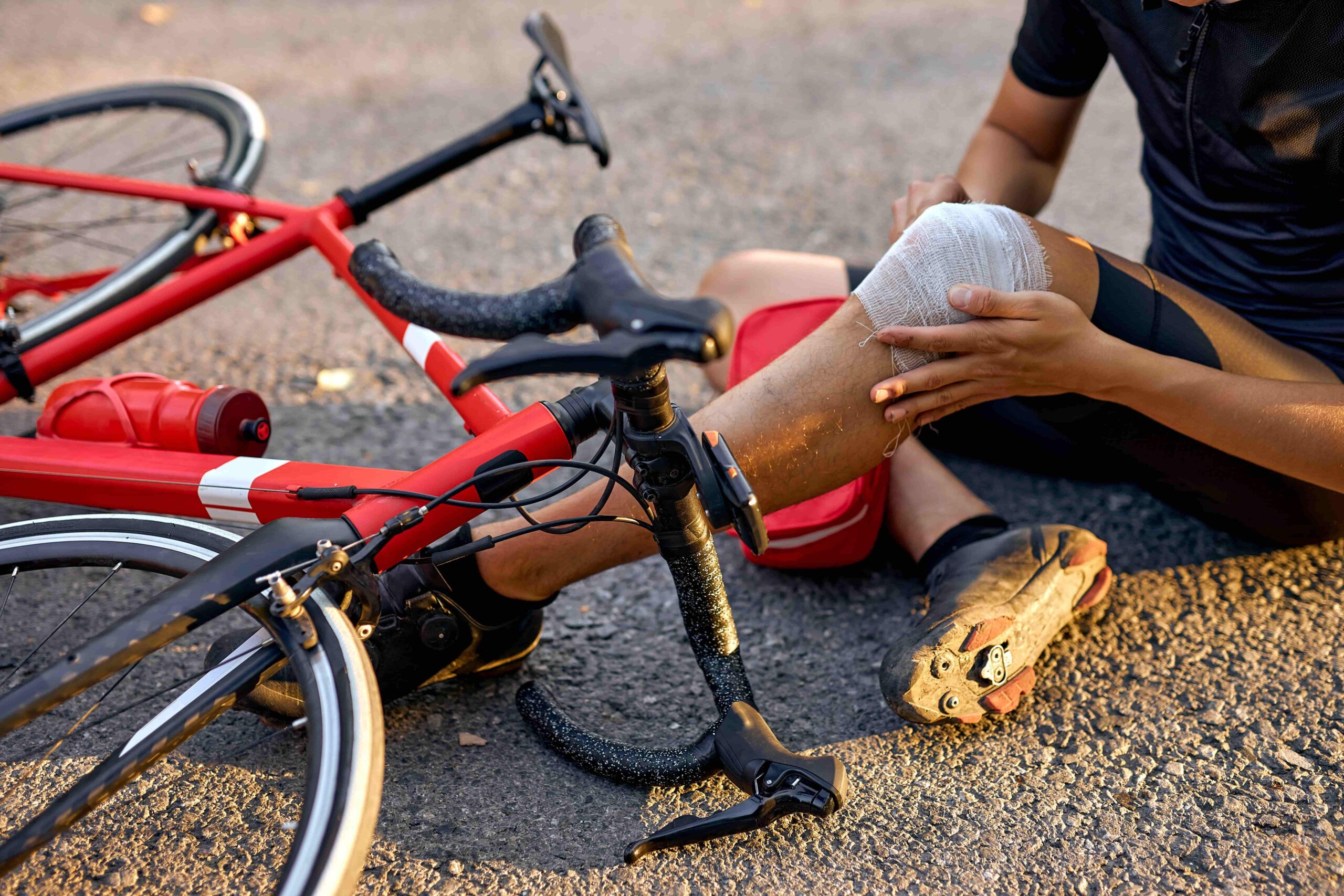
Your actions in the hours and days after a crash can profoundly impact the success of your claim. While it’s natural to feel stunned or disoriented, following these steps helps protect your health and legal rights.
Seek Medical Attention
Even if injuries seem minor, some conditions, such as concussions, internal bleeding, or soft-tissue damage, can take hours or days to surface. Immediate medical documentation creates a clear link between the accident and your injuries.
Report the Accident
Call the police so they can create an official accident report. This document becomes valuable evidence for insurance negotiations or litigation.
Gather Evidence
If physically able, document the scene. Photographs of vehicles, debris, damage, road conditions, and injuries help build a strong factual basis for your case. Collect contact information from witnesses and drivers.
Preserve Your Bicycle and Equipment
Do not repair or throw away your bicycle. Damage to your bike and gear can serve as important physical evidence.
Contact a Bicycle Accident Injury Lawyer
A law firm experienced in personal injury claims, such as Emroch & Kilduff, can provide essential guidance during this time. They handle communication with insurers, investigate the crash, and ensure you meet every deadline.
Insurance Coverage and Bicycle Accident Claims
Many cyclists are surprised to learn how many insurance policies may apply to a bicycle accident. The most relevant often include:
Driver’s Auto Insurance
When a motor vehicle driver causes the crash, their liability insurance typically covers the injured cyclist’s medical costs, lost earnings, and other damages.
Uninsured/Underinsured Motorist (UM/UIM) Coverage
If the driver has no insurance or insufficient coverage, your own auto UM/UIM policy may compensate you, even though you weren’t driving a car.
MedPay
Medical payments coverage, commonly included in many auto policies, may cover immediate medical expenses regardless of fault.
Homeowner’s or Renter’s Insurance
These policies sometimes cover bicycle damage or situations involving non-vehicle-related negligence.
Understanding which policies apply often requires a careful review, which is why injured cyclists frequently benefit from legal assistance.
Recoverable Damages in Bicycle Accident Claims
Compensation aims to restore your financial and physical condition to as close to pre-accident status as possible. Damages typically fall into two categories: economic and non-economic.
Economic Damages
These include all verifiable financial losses:
- Medical expenses (emergency care, hospitalization, physical therapy, prescriptions)
- Future medical costs for long-term care or rehabilitation
- Lost income from missed work
- Reduced earning capacity if the injury impacts future employment
- Property damage, including bicycles, gear, and personal belongings
Non-Economic Damages
These compensate you for intangible losses, such as:
- Pain and suffering
- Emotional distress
- Loss of enjoyment of life
- Permanent disability or disfigurement
In some cases, punitive damages may also apply if the at-fault party acted with gross negligence or reckless disregard for safety.
When Government Entities Are Involved
If unsafe road conditions, malfunctioning traffic signals, or poorly maintained bike lanes contributed to your accident, the responsible party may be a city, county, or state agency. Suing a government entity comes with unique challenges:
- Strict notice requirements
- Shorter filing deadlines
- Additional immunity rules
Despite these obstacles, cyclists can and do successfully bring claims when government negligence contributed to the crash.
The Role of Evidence in Winning a Bicycle Accident Case
A successful claim depends heavily on the quality and thoroughness of the evidence presented. The most valuable forms typically include police reports that identify fault or contributing factors, photos or videos of the accident scene, witness statements, medical records detailing injuries and treatment, professional testimony from accident reconstructionists or medical professionals, and a damage analysis of the bicycle and gear.
Additional supporting materials, such as traffic camera footage, cell phone records, or documentation of weather and road conditions, can further strengthen your claim. Acting quickly improves your chances of securing the compensation you deserve, as evidence can fade, become lost, or become harder to verify. Timely action preserves critical information before it becomes unavailable.
What a Bicycle Accident Claim Is Worth

The value of a bicycle accident claim depends on the severity of your injuries, how the crash affects your daily life, and the financial losses you’ve experienced. Medical expenses are often the largest component and may include emergency care, surgeries, physical therapy, and long-term treatment needs. Lost income and reduced future earning capacity also play a major role, especially when injuries prevent you from returning to work quickly.
Beyond financial losses, compensation may include pain and suffering, emotional distress, and loss of enjoyment of life, which reflect the personal impact of the accident. Property damage, such as your bicycle, helmet, and gear, is also considered.
Cases involving permanent disability, disfigurement, or traumatic injuries tend to be worth significantly more due to lifelong consequences. Every claim is unique, but a thorough evaluation of your medical records, expenses, and long-term needs is essential to determining your true case value.
FAQs for Claiming Compensation After a Bicycle Accident
What if the driver left the scene (hit-and-run)?
You can still pursue compensation. Many cyclists use their own uninsured motorist (UM) coverage, even though they were not in a vehicle, because these policies often extend to pedestrians and cyclists. Police reports, witness accounts, and surveillance footage can identify the driver, but you may still recover compensation even if no one locates the driver.
How long do I have to file a claim?
This depends on your state’s statute of limitations. Most personal injury deadlines range from one to three years. Still, claims involving government agencies, such as unsafe roads or negligent maintenance, may require filing a notice within just a few months. Missing these deadlines can deprive you of your right to compensation, so taking early action is critical.
Can I still file a claim if a road hazard caused my crash?
Yes. Potholes, broken pavement, missing signage, and other hazards can create dangerous conditions for cyclists. If poor maintenance or a hazardous design contributed to your accident, you may file a claim against a city, county, or state agency. These cases have unique procedures and strict deadlines, but successful claims are possible with strong evidence and timely action.
Should I handle the insurance claim myself?
You can, but insurers are skilled at minimizing payouts and may pressure you to accept a low settlement before you understand the full extent of your injuries. Insurance adjusters work to protect company profits, not your long-term well-being. Having representation ensures that your claim is properly valued and that no one takes advantage of your unfamiliarity with the process.
The Value of a Bicycle Accident Lawyer
Most bicycle accidents involve injuries significant enough to justify legal representation, even though you can handle some minor accidents directly with insurers. Insurance companies often attempt to minimize payments, shift blame, or encourage quick settlements that undervalue long-term medical needs. An attorney understands these tactics and can protect you from accepting an offer that fails to account for future medical care, ongoing pain, or reduced earning ability.
A skilled bicycle accident attorney can gather and preserve critical evidence, handle all communications with insurers, evaluate all available sources of compensation, negotiate for a fair settlement, litigate if negotiations fail, and ensure your claim meets all legal deadlines. They can also coordinate professional evaluations, manage complex paperwork, and guide you through every stage of the recovery process.
Working with the experienced bicycle accident attorneys at Emroch & Kilduff, ensures that you’re not managing these challenges alone. Our office is available at (804) 358-1568 for anyone seeking guidance after a serious bicycle accident. Contact our bicycle accident lawyers today for a free legal consultation.


