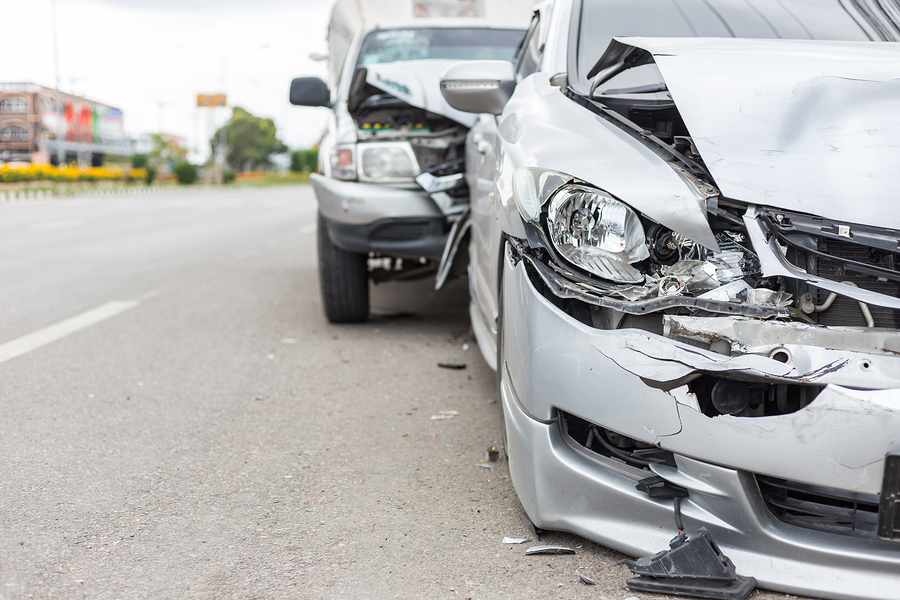
Summer turns Richmond's interstates into a funnel. Families heading to Virginia Beach, commuters, and long-haul freight all share the same lanes at the same hours, and the road work that waits for warm weather narrows those lanes right when traffic is heaviest. Auto accidents on Richmond-area highways rise with that pressure, and most of them trace back to conditions drivers can anticipate.
At Emroch & Kilduff, we have practiced injury law in Richmond since 1970, and the calls we get in the summertime look different from the ones we get in February. This piece walks through what changes in these corridors in summer and what tends to help.
Key Takeaways about Auto Accidents on Richmond-Area Highways
- Summer combines peak vacation travel, active construction zones, and extreme heat on Richmond's interstate corridors.
- I-95, I-64, I-295, and the Powhite and Chippenham parkways carry the heaviest seasonal load through the metro area.
- Work zone crashes often involve sudden lane shifts, reduced speed limits, and stopped traffic ahead of a curve.
- Heat contributes to tire failure, and long drives contribute to fatigue that dulls reaction time.
- Virginia law requires drivers involved in a crash to stop and report it, and injury claims carry filing deadlines.
How Can Drivers Stay Safer on Richmond-Area Highways During Summer Travel Season?
Slowing down through work zones, planning rest breaks before fatigue sets in, and checking tires and traffic conditions before leaving handle most of what makes summer driving on Richmond-area highways riskier than the rest of the year.
- Vacation traffic, construction season, and heat all peak at the same time.
- Work zones along I-95 and I-64 shift lanes and speed limits with little warning.
- Long drives invite drowsy driving, which behaves a lot like impaired driving.
- Conditions change quickly on these corridors, so plans made the night before rarely survive the drive itself.
What Makes Summer Driving Different on Richmond's Interstates?
Three things stack on top of each other: more vehicles, fewer roads, and hotter equipment. Each is manageable alone, and together they change how much margin a driver has.
Vacation traffic brings drivers who do not know the interchanges, towing trailers they do not tow the rest of the year. Construction crews take advantage of the same warm months, so lanes close and merge patterns change week to week. Pavement temperatures climb, and so does the strain on tires and cooling systems.
None of that is unusual. It simply means the cushion drivers rely on in March is thinner in July.
Which Corridors Carry the Most Summer Traffic?
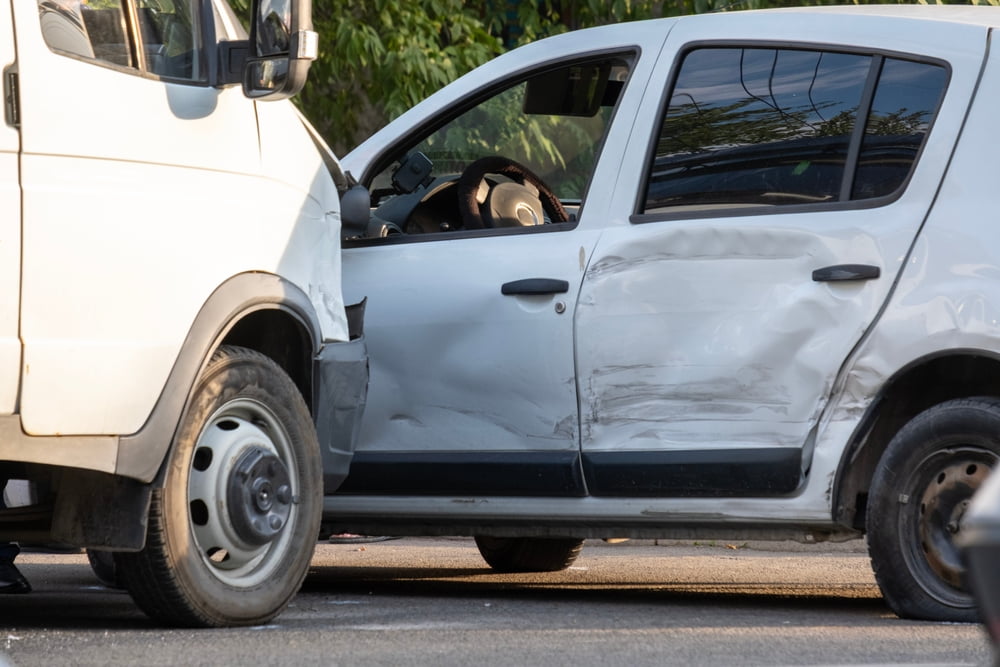
Richmond sits at the crossing point of two major interstates, which is excellent for commerce and difficult for drivers in August.
I-95 Through the City
The north-south spine of the East Coast runs straight through downtown. Beach traffic, holiday weekends, and freight converge near the Bryan Park interchange, where three highways meet, and merging decisions happen fast.
I-64 East Toward the Coast
This is the vacation route, and it fills on Friday afternoons and Sunday evenings. Backups build quickly past the I-295 split, often with little advance warning for drivers coming over a rise.
I-295, I-195, and the Parkways
I-295 draws through traffic around the city, while I-195, Powhite Parkway, and Chippenham Parkway handle local volume. Toll plazas and short ramps on the parkways force speed changes in places where drivers have already settled into highway pace.
Different roads, same underlying problem: traffic that stops without much notice. Leaving a following distance is the single habit that helps most of all of them.
Why Do Work Zones Cause So Many Summer Crashes?
Work zones change the rules of the road mid-drive, and drivers react to the change at different speeds. One car brakes for a barrel, the next does not, and the collision happens behind both of them.
Lane shifts, temporary striping, and reduced speed limits all require attention that a familiar commute does not. Workers and equipment sit close to live lanes, and Virginia enforces work zone speed limits aggressively for that reason. The Virginia State Police publishes guidance on highway safety enforcement statewide.
Treating a work zone as a place to slow down and stop changing lanes removes most of the risk. It costs a minute.
Heat, Fatigue, and the Long Drive
Two summer factors get overlooked because neither involves another driver doing anything wrong.
Tire and Equipment Failure
Hot pavement raises tire pressure and punishes worn tread. A blowout at highway speed can pull a vehicle hard to one side, leaving the vehicles behind very little time to respond. A pressure check before a long trip is a five-minute task.
Drowsy Driving
Long stretches of highway, early departures, and afternoon heat combine into fatigue that dulls reaction time and judgment in ways drivers rarely notice in themselves. Federal safety regulators consider it a serious impairment, and the National Highway Traffic Safety Administration has outlined the warning signs. Rotating drivers or stopping for 20 minutes works better than coffee.
Cargo and Trailers
Roof boxes, bike racks, and rental trailers change how a vehicle handles and stops. Loads that shift or come loose create hazards for everyone behind.
Each of these is preventable with a few minutes of attention before leaving the driveway, which is why we mention them first.
How Should Families Prepare Before a Summer Road Trip?
Preparation is mostly about removing decisions from the drive itself. A short checklist the night before takes care of most of it.
- Check tire pressure, tread, and the spare, plus coolant and wiper fluid
- Look at traffic and construction conditions before leaving, and again before the return trip
- Plan stops every two hours or so rather than pushing through
- Set navigation and climate controls before pulling out, not at 65 miles per hour
- Pack water, a phone charger, and anything the kids will otherwise ask for from the back seat
The Virginia Department of Motor Vehicles also keeps current licensing and vehicle requirements in one place, which is worth a look before a long trip. None of this guarantees a smooth drive, but it removes the small distractions that turn into large ones.
Sharing Highways With Trucks, Motorcycles, and People on Foot
Summer puts more of everything on the road at once, and the mix matters. A passenger car, a loaded tractor-trailer, and a motorcycle each need different stopping distances, and each has different blind spots.
Commercial trucks cannot see vehicles directly beside their cabs or close behind them, and they need far more room to stop than most drivers assume. Collisions involving large trucks on Richmond highways tend to produce serious injuries for exactly that reason.
Closer to the city, drivers exiting the interstates meet cyclists and people on foot at crossings that were not designed for the current traffic volume. Claims involving pedestrians struck in Richmond spike when evenings stay light, and foot traffic grows.
What Does Virginia Require of Drivers Involved in a Highway Crash?
Virginia requires drivers involved in a crash to stop, provide information, and report the collision, under Va. Code § 46.2-894. Leaving the scene carries consequences well beyond the civil claim.
Injury claims also come with a filing deadline. In most Virginia personal injury cases, it is two years from the date of injury under Va. Code § 8.01-243, with different rules for claims involving children and much shorter notice periods for claims against government bodies.
How those rules apply depends on the facts of a particular crash, so this is general information rather than advice about any case. If you are unsure which deadline applies to you, ask early.
How We Help Richmond Families After a Highway Crash
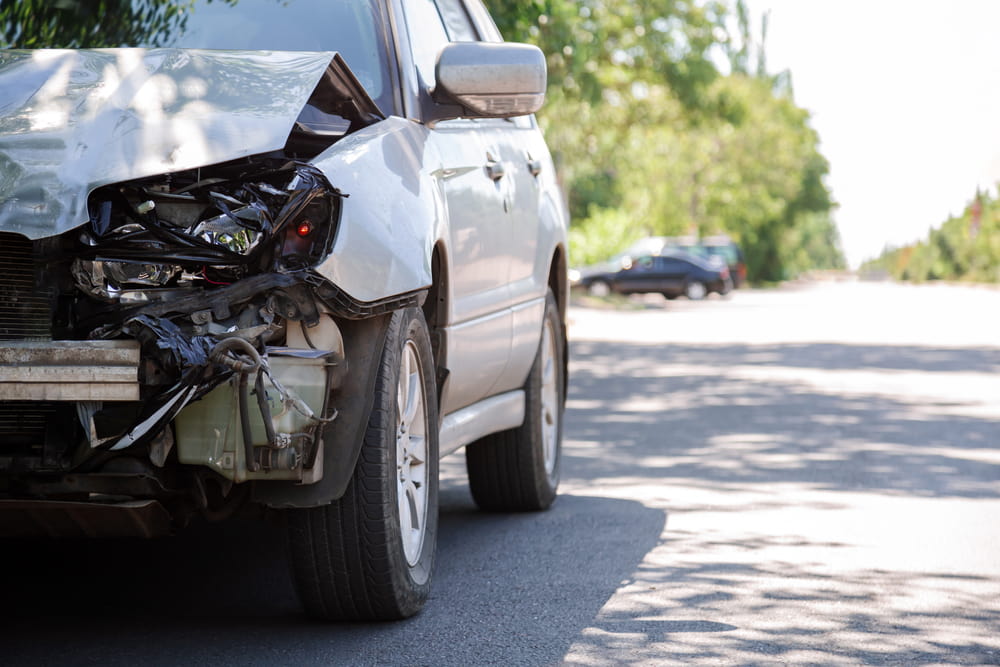
A crash 30 miles from home, in a construction zone, with an out-of-state driver and a commercial carrier involved, is not a simple claim. Evidence sits with several parties, and some of it disappears in days.
We have represented injured people from Richmond since 1970, and we have never represented an insurer, a corporation, or a hospital. Over that time, we have recovered hundreds of millions for injured Virginians. Our Richmond car accident lawyers handle the investigation, the carriers, and the paperwork while clients focus on treatment.
Five attorneys and more than 20 staff members work on these files in-house. That means the person who answers your call knows your case.
FAQs about Summer Travel Safety on Richmond-Area Highways
These questions come up frequently during the summer travel season, and the answers below are general information rather than legal advice.
Does it matter that the crash happened outside Richmond, but I live here?
It can affect where a claim is filed and which court hears it. Where the collision occurred and where the other driver lives both factor into that, and it is worth sorting out early rather than assuming.
What if the other driver was from another state?
Out-of-state drivers are common on these corridors, and claims against them proceed regularly. Their insurance coverage may differ from Virginia policies, which is one of the first things we check.
Am I covered if a crash happens in a rental car?
Often yes, through some combination of your own auto policy, a credit card benefit, and the rental company's coverage. Read what you agreed to at the counter, because those layers interact in ways that are not obvious.
What happens if my car breaks down on the interstate?
Get as far right as possible, turn on hazard lights, and stay buckled inside unless remaining in the vehicle is unsafe. Standing beside a disabled car in a travel lane is one of the more dangerous things a driver can do.
Do dashcam recordings help a claim?
They frequently do, particularly in disputed lane-change and merging cases. Save the footage immediately, since most systems overwrite older files automatically.
Should I tell my insurance company about a minor crash?
Most policies require prompt notice regardless of how minor the damage appears. Injuries that surface days later are common, and a late report can complicate coverage.
Is traffic camera footage available to the public?
Access varies by agency, and retention windows are short. Requesting it quickly through the right channel is usually necessary, and it is one of the steps we handle for clients.
Talk With a Richmond Injury Attorney Before the Summer Ends

Most summer trips end the way they should. When one does not, the questions arrive fast, and the insurance company starts working on its version of events immediately.
Emroch & Kilduff has spent more than 50 years representing injured people in Richmond, and we would be glad to look at what happened to you. Our Richmond office is at 7301 Forest Avenue, Suite 300, and we also meet clients in Tappahannock.
Call (804) 358-1568 for a free, confidential consultation, available 24/7. Tell us about the crash, and let us take it from there.